Hotel Opera
-
Location:Bucharest, Romania
-
Date:2025
-
Status:Under construction
-
-
Nestled in the heart of Bucharest’s Sector 1, an area known for its historic depth and civic vitality, Hotel Opera occupies a strategic location within the capital’s cultural and administrative core. Just steps from Cișmigiu Gardens, the Old Town, the National Museum of Art, and the Romanian Athenaeum, the hotel sits at a crossroads of architectural epochs: from interwar modernism and socialist urbanism to exuberant Neoclassicism and contemporary interventions.
The building itself is a representative specimen of Bucharest’s interwar Art Deco architecture. Defined by strict geometry, clean lines, and a softened corner treatment that responds to its urban siting, the structure features rectangular volumes, filleted balconies, flat roofing, and window bands arranged with compositional discipline. Decorative restraint and a subtle play between symmetry and asymmetry lend the building an understated monumentality. Ground-floor articulation signals a functional transition between the public and private zones, while side façades and projecting balconies reinforce vertical rhythm and urban presence.
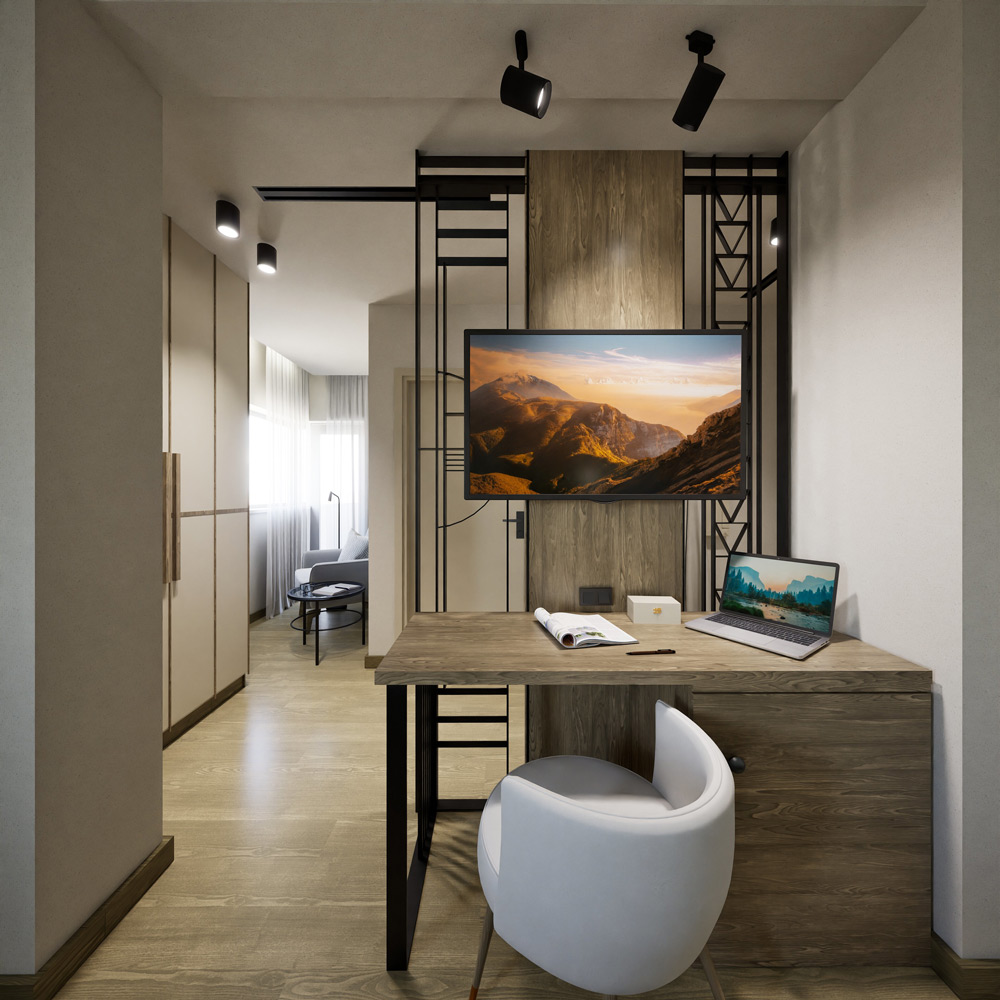
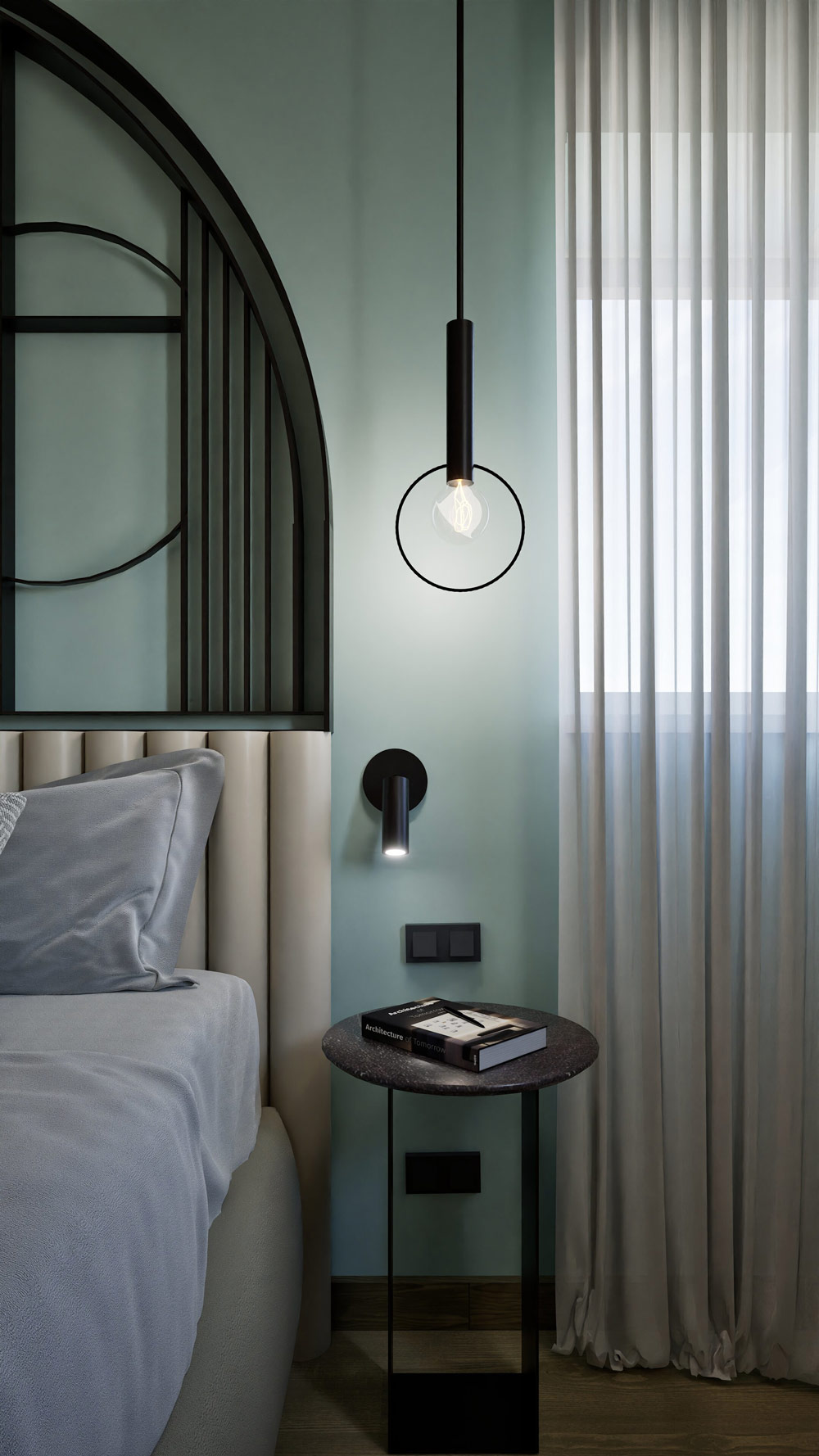
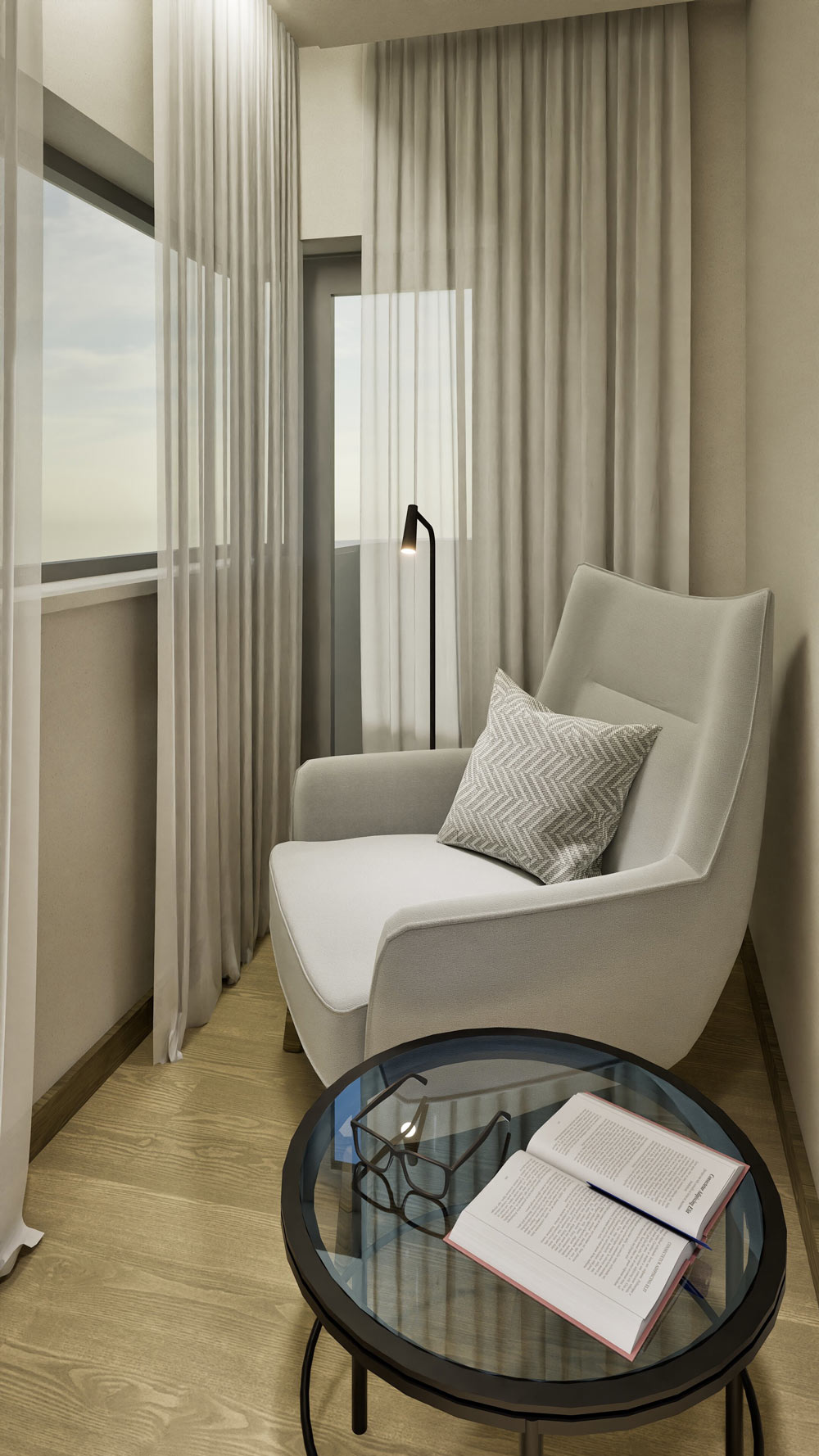
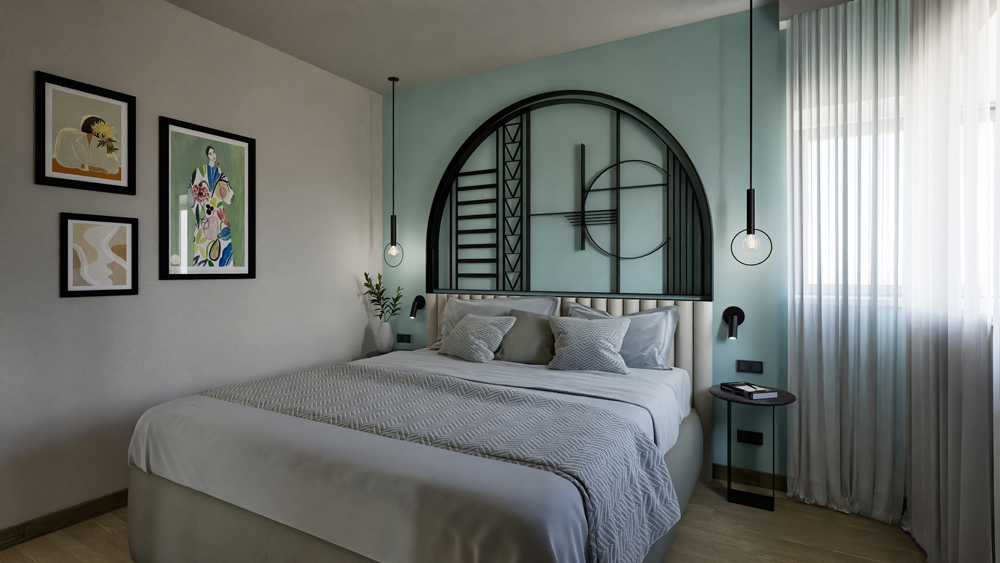
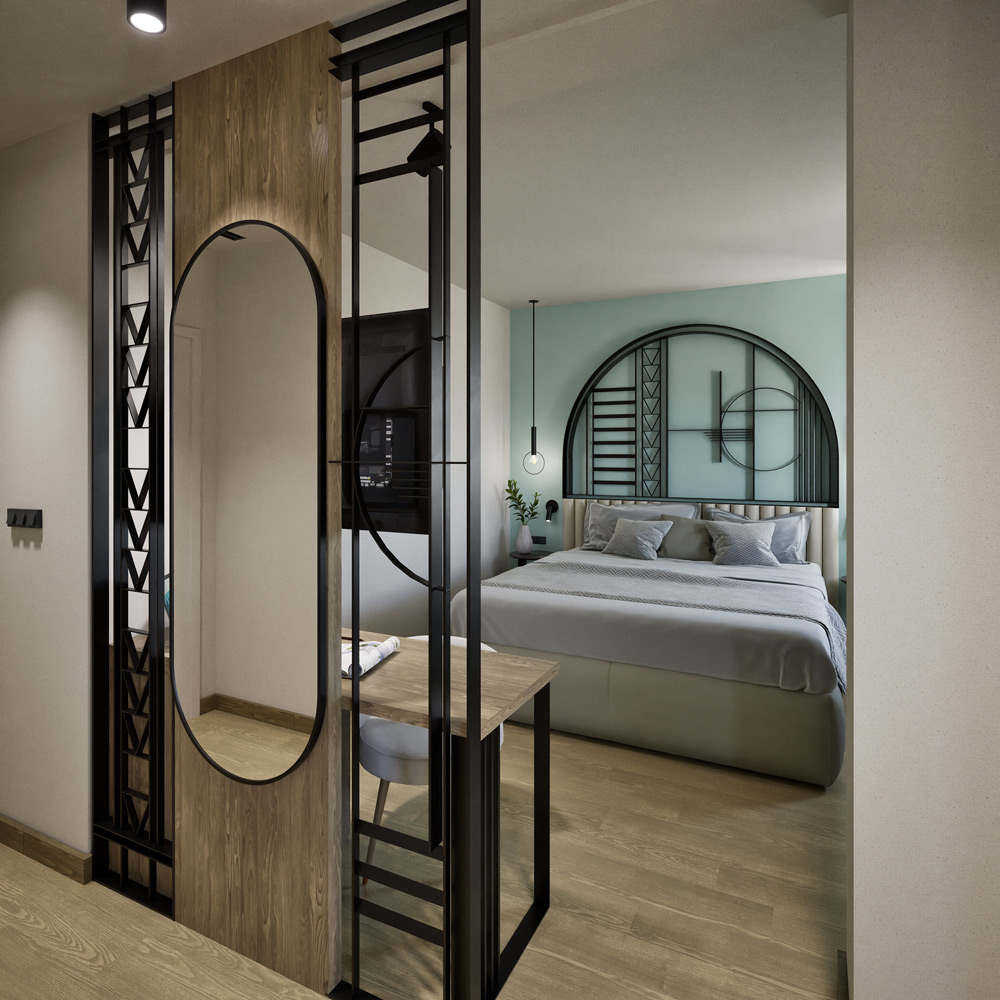
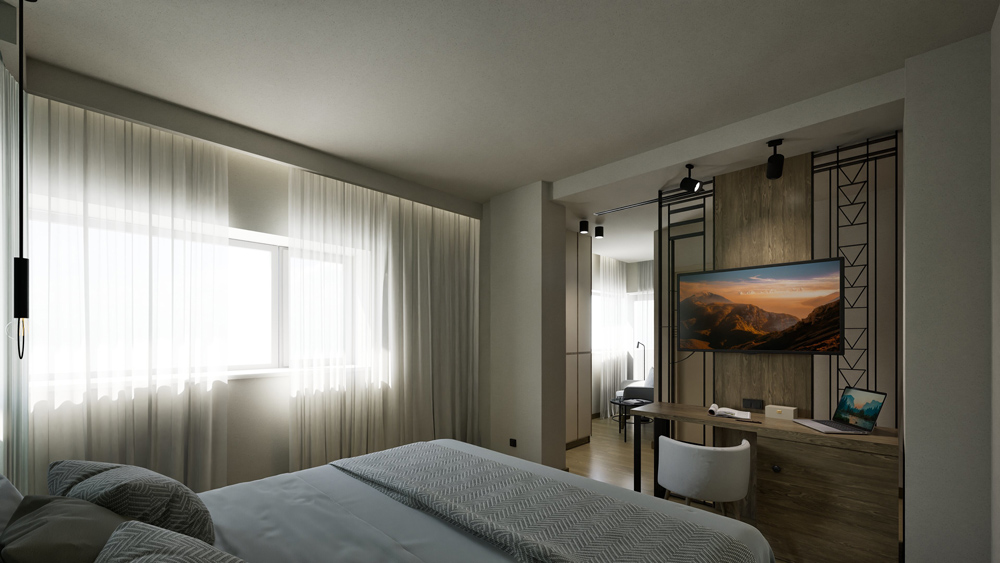
The recent renovation, designed by WeDesign Lab, was guided by a dual focus: to preserve the building’s architectural clarity and adapt it to the expectations of today’s urban hospitality. Their approach retained key structural and spatial elements—such as the utilities infrastructure mapped on the original floor plans and wall-mounted lighting fixtures—while carefully integrating new components. Custom-designed Art Deco metalwork, refined material choices, and a restrained interior palette extend the building’s original typology without mimicry. Color schemes and finishes were selected to harmonize with both the architectural character and the surrounding cityscape.
Rather than imposing a new language, the design by WeDesign Lab refines and amplifies what is already present. The result is a spatial atmosphere in which historical continuity supports contemporary use—an experience shaped by scale, material precision, and the urban memory embedded in place.
-
-
-